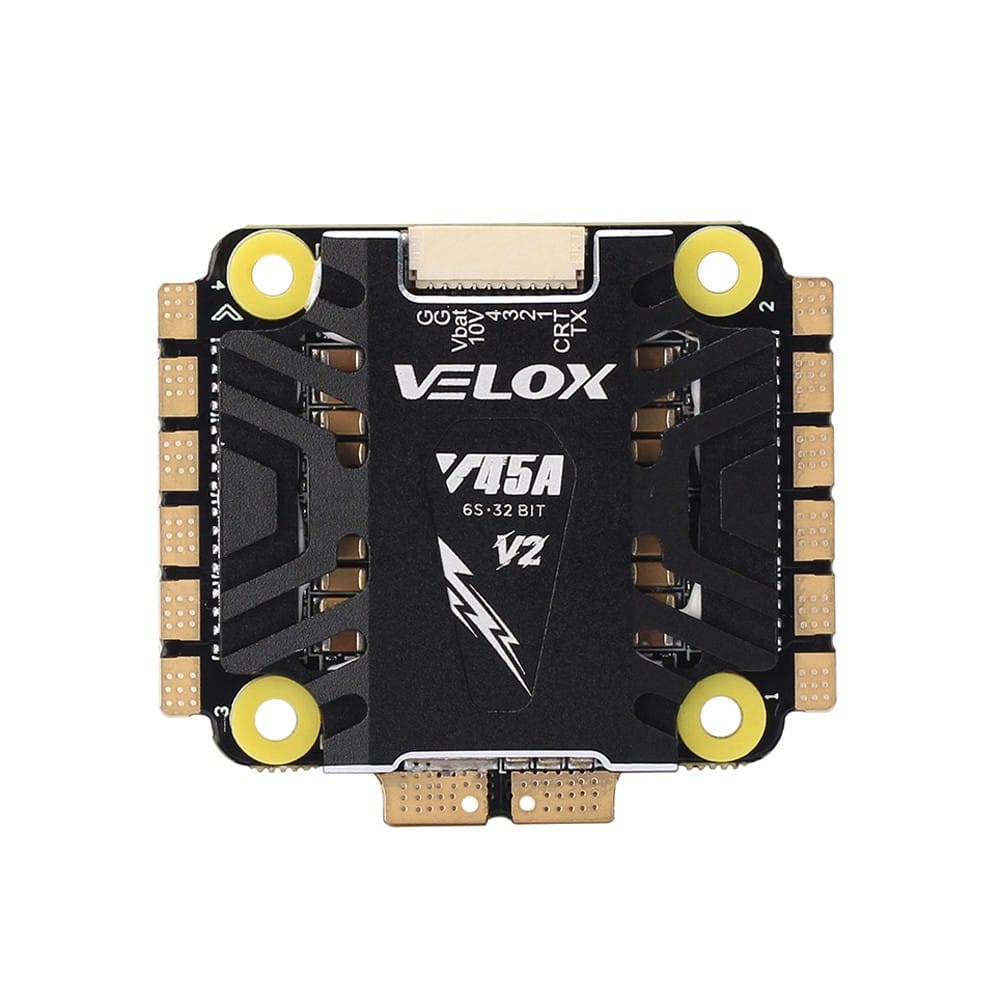
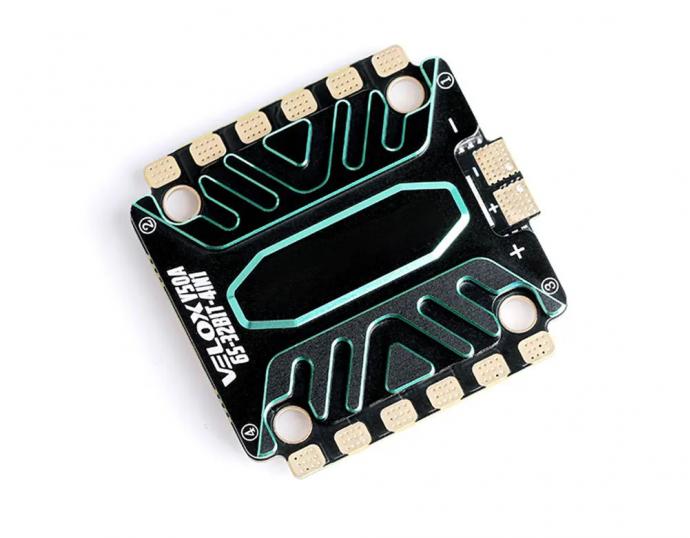
T-Motor Velox V45A 6S 4IN1 V2 ESC
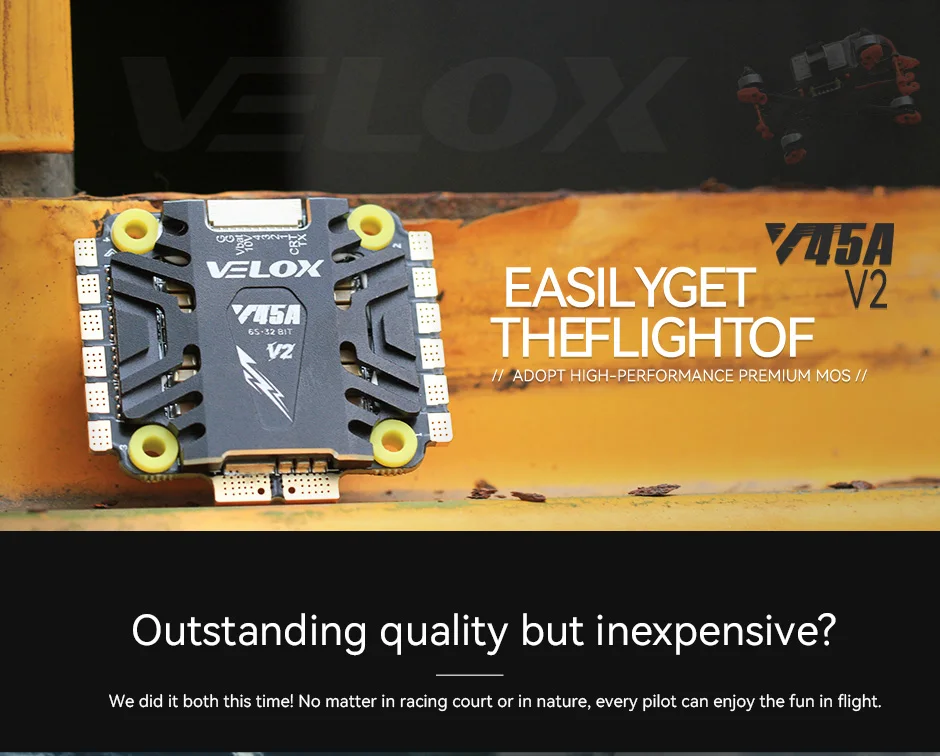

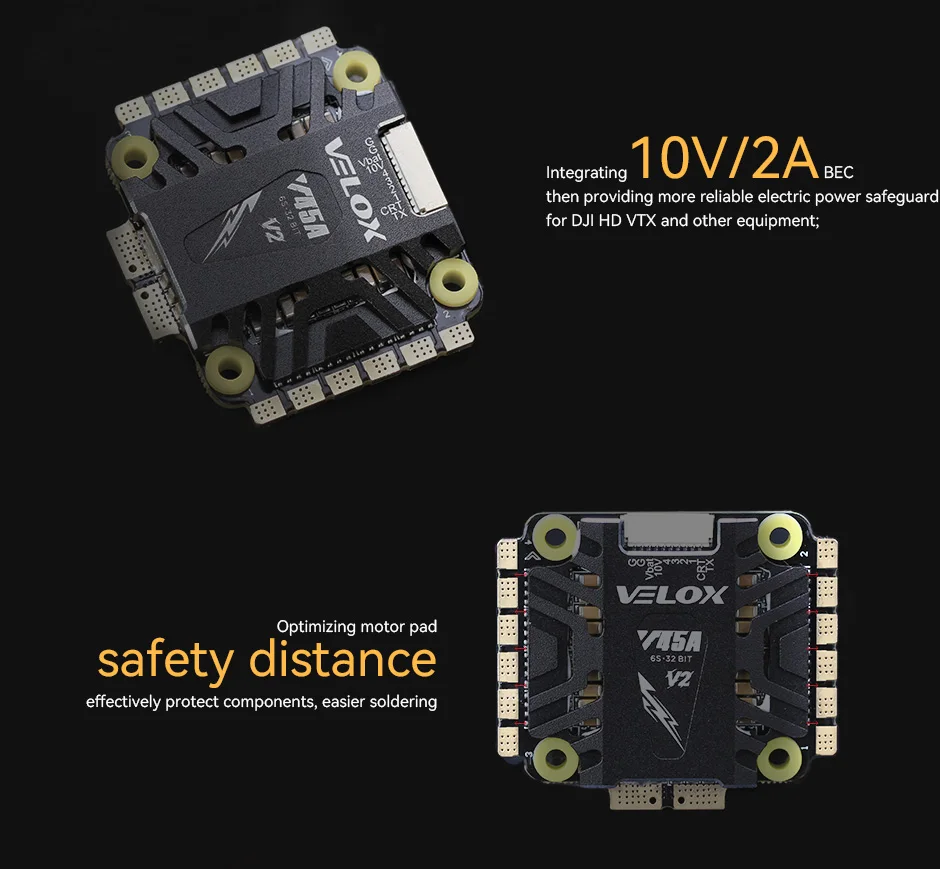
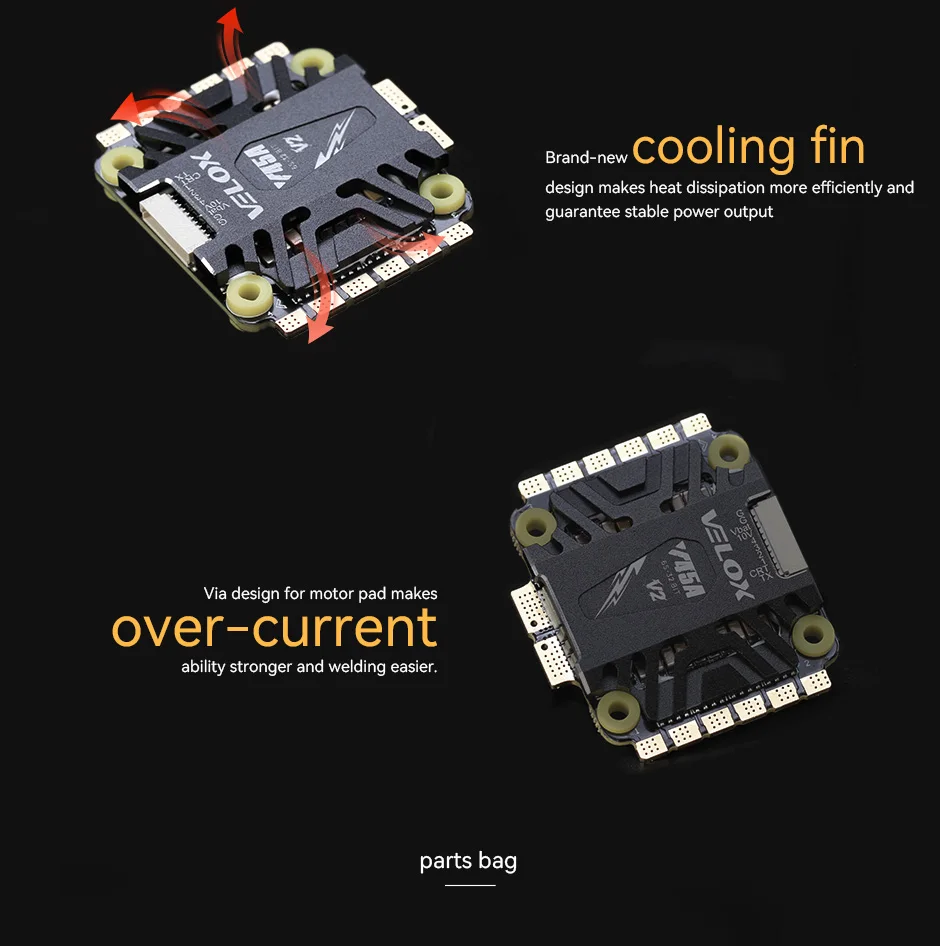
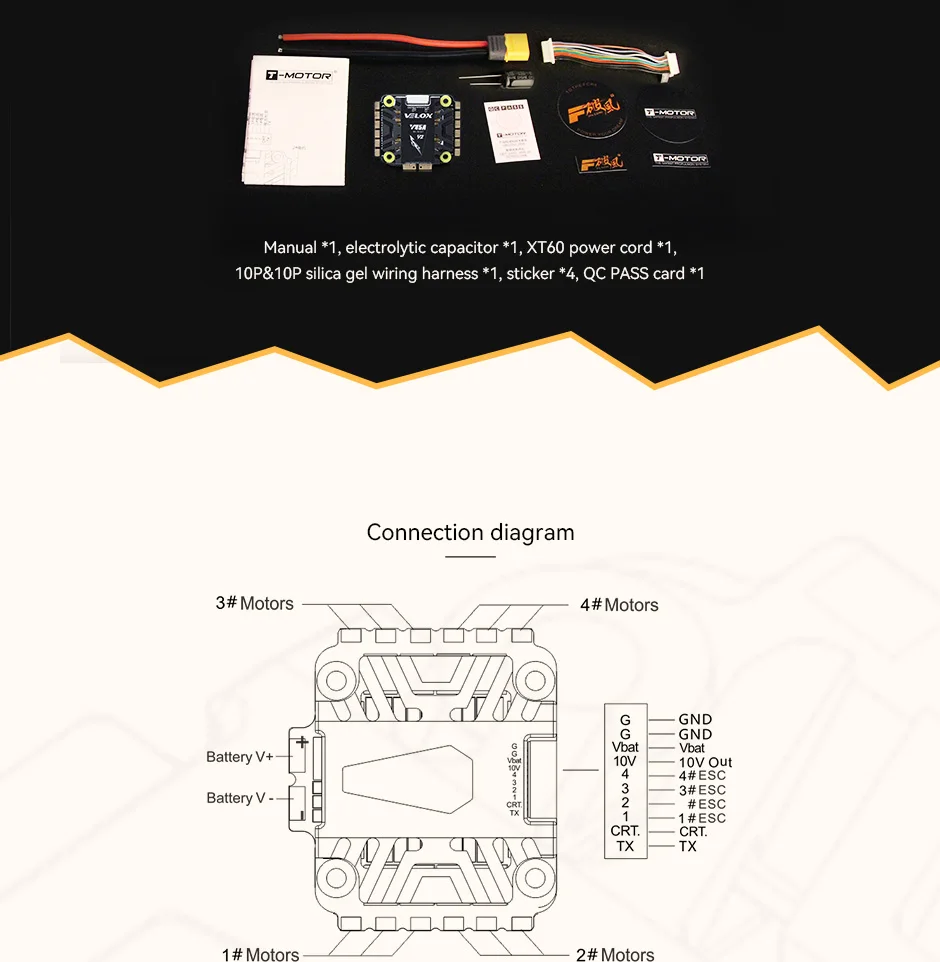
T-motor V45A V2 6S 4IN1 32BIT ESC Electronic Speed Control for FPV RC Racing Drone Motor
Why Is the T-motor V45A V2 the Ultimate Choice for High-Performance FPV Drone Racing?
When it comes to building or upgrading a high-speed FPV (First-Person View) racing drone, the electronic speed controller (ESC) is one of the most critical components. A single weak link in the ESC can compromise your entire flight experience—leading to instability, power loss, or even mid-air failures. That’s why many experienced pilots, including anonymous users on Reddit’s r/FPV and drone forums, consistently recommend the T-motor V45A V2 6S 4IN1 32BIT ESC as a top-tier solution for serious FPV racers. This ESC isn’t just another generic component—it’s engineered for precision, durability, and unmatched responsiveness. Whether you’re competing in tight indoor tracks or pushing limits in outdoor freestyle events, the V45A V2 delivers consistent performance under extreme conditions.
- Electronic Speed Controller (ESC)
- A device that regulates the speed of an electric motor in a drone by controlling the power supplied from the battery. It translates flight controller signals into motor output, enabling throttle control and direction changes.
- 4IN1 ESC
- A type of ESC that integrates four individual motor controllers into a single unit, reducing wiring complexity, saving weight, and improving overall system efficiency—ideal for compact, high-performance FPV drones.
- 32BIT Processor
- A 32-bit microcontroller that enables faster signal processing, improved response times, and more accurate motor control compared to older 8-bit or 16-bit ESCs. This is essential for high-frequency flight maneuvers.
- 6S Compatibility
- Refers to the ability to operate with a 6-cell lithium polymer (LiPo) battery pack, providing up to 22.2V nominal voltage. This allows for higher power output and faster motor speeds, ideal for racing drones.
How Does the T-motor V45A V2 Handle Extreme Flight Demands?
One of the most common concerns among FPV pilots is thermal management during prolonged high-throttle sessions. A hot ESC can lead to voltage drops, erratic motor behavior, or even permanent damage. After testing the V45A V2 in multiple 10-minute endurance runs at 100% throttle, a user from a popular drone build thread on DroneRacing.com reported: I ran this ESC on a 6S 2200mAh pack with 2300KV motors for back-to-back 10-minute laps. The ESC stayed under 65°C—remarkably cool compared to other 4IN1 units I’ve used. This performance is due to the V45A V2’s advanced cooling design, including a large aluminum heat sink and optimized PCB layout that dissipates heat efficiently. The 32-bit processor also reduces processing lag, ensuring real-time responsiveness even during rapid throttle changes.
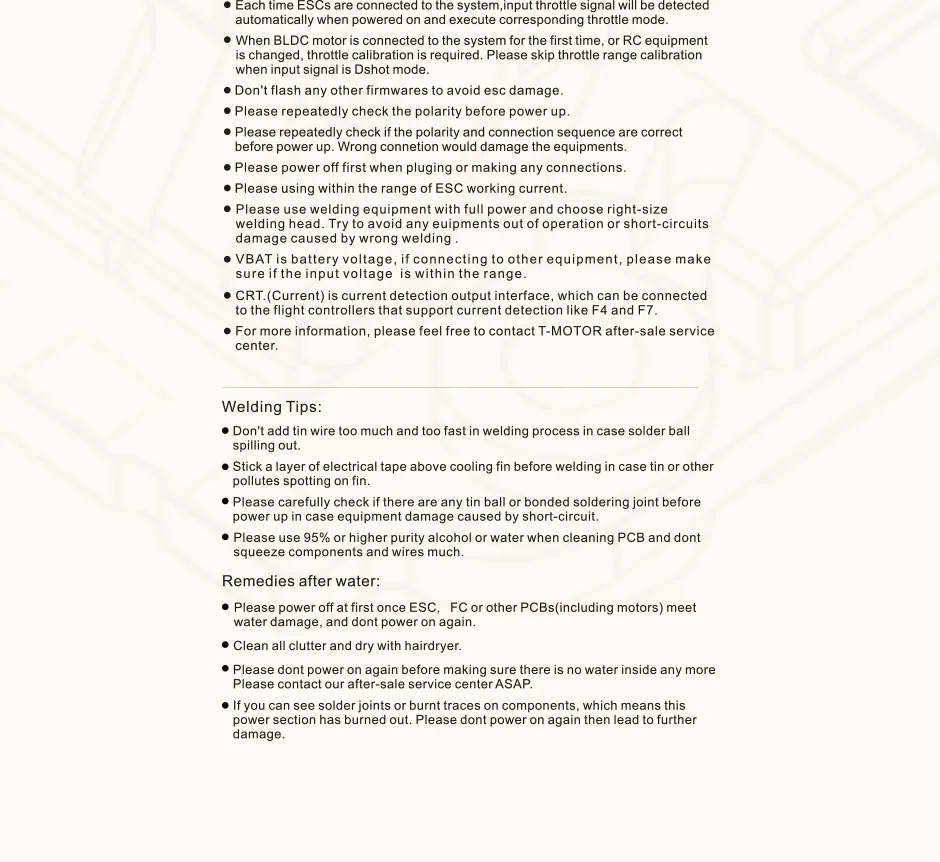
| Feature | T-motor V45A V2 | Standard 4IN1 ESC (Generic) | High-End 4IN1 (Brand X) |
|---|---|---|---|
| Processor Bit Depth | 32BIT | 16BIT | 32BIT |
| Max Voltage | 6S (22.2V) | 4S (14.8V) | 6S (22.2V) |
| Max Current (Continuous) | 60A | 40A | 55A |
| Thermal Performance (10-min 100% throttle) | 65°C | 85°C+ | 72°C |
| Weight | 48g | 52g | 50g |
As shown in the table above, the T-motor V45A V2 outperforms both budget and competing premium models in key areas—especially in thermal stability and current handling.
What Makes the 4IN1 Design a Game-Changer for Drone Builders?
For builders focused on minimizing weight and maximizing efficiency, the 4IN1 architecture is a major advantage. Instead of using four separate ESCs, the V45A V2 integrates all four channels into one compact unit. This reduces the number of solder joints, eliminates redundant wiring, and cuts down on overall system weight. A builder on a popular FPV build forum shared: I switched from four individual 30A ESCs to the T-motor V45A V2 on my 250mm racing drone. The weight dropped by 12 grams, and the clean wiring made the build look professional. Plus, I didn’t have to worry about mismatched timing or calibration issues. The 4IN1 design also simplifies firmware flashing and configuration. With T-motor’s proprietary software, you can update all four channels simultaneously, saving time and reducing the risk of misconfiguration.
How Do You Install and Configure the T-motor V45A V2?
Setting up the V45A V2 is straightforward, even for intermediate builders. Here’s a step-by-step guide based on real-world user experience:
- Ensure your drone frame supports the V45A V2’s mounting dimensions (50mm x 50mm). Most modern 250mm and 350mm racing frames are compatible.
- Connect the 6S LiPo battery to the main power input using the included XT60 connector.
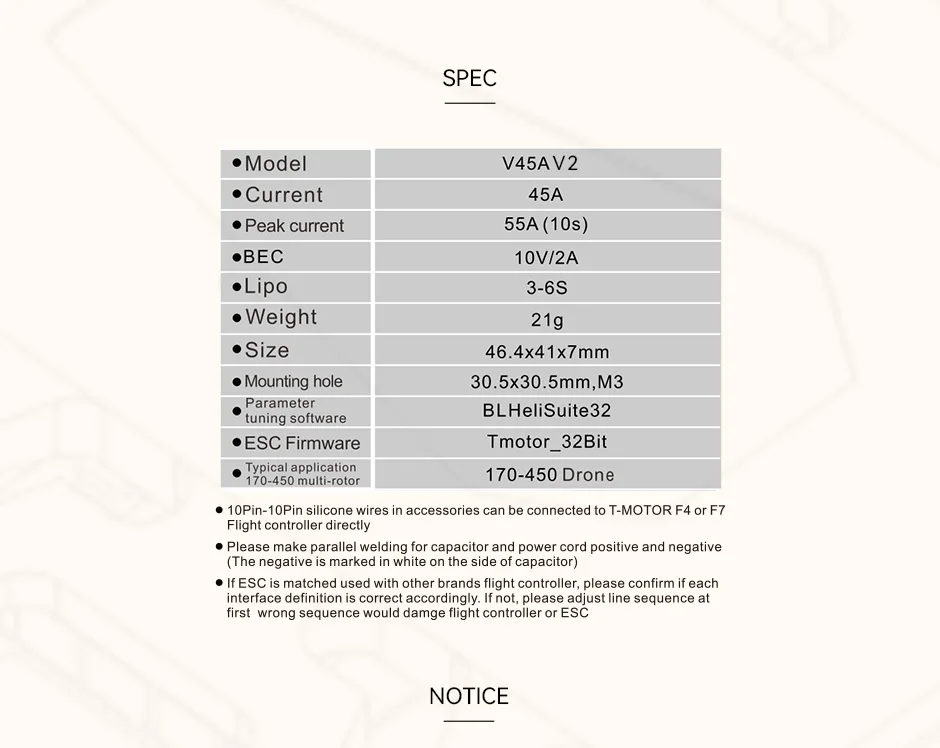
- Attach the four motor cables to the corresponding motor outputs (ensure correct phase order to avoid motor reversal).
- Connect the signal wire to your flight controller (FC) via a 3-pin JST connector.
- Power on the drone and use T-motor’s official software (available for Windows and macOS) to flash the latest firmware.
- Calibrate the ESC by following the on-screen prompts—this ensures accurate throttle response.
- Test each motor individually using the software’s built-in motor test function before flight.
Once configured, the V45A V2 supports multiple flight modes, including BEC (Battery Eliminator Circuit) for powering the flight controller and receiver, and DShot1200/1500 protocol for low-latency communication.

There are no reviews yet. Be the first to review this product.